Problem Based Learning Model Assisted by Nearpod and Its Effect on Learning Outcomes of Environmental Changes
Article Sidebar
Main Article Content
Abstract
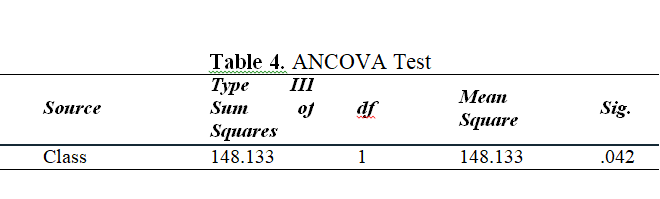
The learning process in today's era expects students to be active in the learning proces, In addition, a common problem encountered is the minimal cognitive learning outcomes in biology. Contributing factors include limited learning facilities, teachers' inability to deliver material systematically, and a lack of effective communication, which leads to a decline in students' cognitive engagement. This study aims to determine the effect of the Problem Based Learning model assisted by Nearpod on learning outcomes related to environmental change material. The research method is Quasi-Experimental, with a Non-equivalent Control Group design involving two classes. Data analysis was performed using ANCOVA. The results of the study indicate that the Problem Based Learning model supported by Nearpod has a significant effect on the learning achievement of Environmental Changes (Sig. 0.042 < 0.05). The results of this study indicate that there is an effect of the Nearpod-assisted Problem Based Learning model on the subject of environmental change.
Article Details

This work is licensed under a Creative Commons Attribution-ShareAlike 4.0 International License.
Authors who publish with this journal agree to the following terms:
- Authors retain copyright and grant the journal right of first publication with the work simultaneously licensed under a Creative Commons Attribution-ShareAlike 4.0 International License that allows others to share the work with an acknowledgement of the work's authorship and initial publication in this journal.
-
Authors are able to enter into separate, additional contractual arrangements for the non-exclusive distribution of the journal's published version of the work (e.g., post it to an institutional repository or publish it in a book), with an acknowledgment of its initial publication in this journal.
- Authors are permitted and encouraged to post their work online (e.g., in institutional repositories or on their website) prior to and during the submission process, as it can lead to productive exchanges and earlier and greater citation of published work.

Bio Ilmi: Jurnal Pendidikan by http://jurnal.radenfatah.ac.id/index.php/bioilmi is licensed under a Creative Commons Attribution-ShareAlike 4.0 International License.
How to Cite
References
Asiyah, A., Topano, A., & Walid, A. (2021). Pengaruh Problem Based Learning (PBL) Terhadap Kemampuan Pemecahan Masalah Dan Hasil Belajar Kognitif Siswa SMA Negeri 10 Kota Bengkulu. Edukatif : Jurnal Ilmu Pendidikan, 3(3), 717–727. https://doi.org/10.31004/edukatif.v3i3.263
Cahyani, E. D., Wijoyo, S. H., & Amalia, F. (2024). Perbedaan Penerapan Model Problem Based Learning Menggunakan Media Nearpod Terhadap Hasil Belajar Mata Pelajaran Informatika Peserta Didik Kelas X Di SMAN 3 Malang. 1(1), 1–10.
Dewi, P. (2021). Utilization of Nearpod as an Online Learning Media through Active Learning Strategies for Students. 1–5. https://doi.org/10.4108/eai.25-11-2020.2306753
Hatru, S. (2024). Bio-Pedagogi : Jurnal Pembelajaran Biologi Analisis kesenjangan pembelajaran biologi : Keterampilan komunikasi guru , fasilitas belajar dan keterlibatan kognitif peserta didik. 13(1), 28–34.
Hidayat, R., & Effendi. (2024). Pemanfaatan Media Pembelajaran Interaktif Berbasis Nearpod Untuk Meningkatkan Hasil Belajar Biologi Siswa SMA ( The Use of Nearpod-Based Interactive Learning Media to Increase Biology Learning Hidayat & Effendi – Pemanfaatan Media Pembelajaran Interaktif. Jurnal Ilmiah Pendidikan Biologi, 10(2), 30–36. https://doi.org/10.22437/biodik.v10i2.27778
Isnaini, Sunimaryanti, & Lesis, A. (2021). Assessment Principles and Practices. Tier 3 of the RTI Model: Problem Solving Through a Case Study Approach, 2002, 17–40. https://doi.org/10.4135/9781452219028.n2
Lutfiah, W., Hambali, H., & Makassar, U. M. (2021). Edukatif : Jurnal Ilmu Pendidikan Pengaruh Model Pembelajaran Problem Based Learning terhadap Hasil Belajar Biologi. Jurnal Ilmu Pendidikan, 3(4), 2092–2098.
Mulyono, O., Bustami, Y., & Julung, H. (2018). Peningkatan Hasil Belajar Kognitif Siswa Biologi Sekolah Menengah Pertama Melalui Metode Demonstrasi. JPBIO (Jurnal Pendidikan Biologi), 2(2), 15–19. https://doi.org/10.31932/jpbio.v2i2.220
Mustikarani, T., Soepeno, B., & Bektiarso, S. (2025). The Effect of Problem Based Learning ( Pbl ) Model Using Nearpod Media on Students ’ Learning Outcomes In Class V of Elementary School Pkn Learning. 3(1), 106–113.
Mutiara, Dwi Aninditya Siregar, V. M. P. (2021). Pengaruh Media Pembelajaran Berbasis. Jurnal Ilmiah Pendidikan, 5(1), 38–44.
Nasar, A., Saputra, D. H., Arkaan, M. R., Ferlyando, M. B., Andriansyah, M. T., & Pangestu, P. D. (2024). Uji Prasyarat Analisis. JEBI: Jurnal Ekonomi Dan Bisnis, 2(6), 786–799.
Ningsih, K., Panjaitan, R. G. P., & Pinawadhani, R. K. (2023). Kelayakan Media Interaktif Berbasis Nearpod pada Materi Sistem Ekskresi di Kelas XI SMA. Bioscientist : Jurnal Ilmiah Biologi, 11(2), 1980. https://doi.org/10.33394/bioscientist.v11i2.8961
Nurhamidah, D. (2021). Pengembangan Instrumen Penilaian Berbasis Media Nearpod dalam Mata Kuliah Bahasa Indonesia. Jurnal Pendidikan Bahasa Dan Sastra Indonesia, 80–90.
Nurmasita, N., Ismail, M., Fauzan, A., & Herianto, E. (2022). Penerapan Pembelajaran Nearpod pada Mata Pelajaran PPKn di MTsN 2 Mataram. Manazhim, 4(2), 308–318. https://doi.org/10.36088/manazhim.v4i2.1805
Puspitaningsih, I., Maspupah, M., & Solikha, M. (2023). Keterampilan argumentasi peserta didik melalui problem based learning berbantu media nearpod materi perubahan lingkungan. Gunung Djati Conference Series, 30, 169–175.
Puspitasari, G. L. (2024). Efektivitas Model Problem Based Learning ( PBL ) Berbantuan Media Nearpod pada Pembelajaran Fisika untuk Meningkatkan Keterampilan Berpikir Kritis Siswa Kelas X SMA Negeri 1 Godong menyenangkan kepada siswa selama proses pembelajaran . Dengan menggunakan . 2.
Putra, I. M. C. W., Astawan, I. G., & Antara, P. A. (2022). Lembar Kerja Peserta Didik Digital Berbasis PBL pada Muatan IPA Sekolah Dasar. MIMBAR PGSD Undiksha, 10(1), 155–163. https://doi.org/10.23887/jjpgsd.v10i1.47031
Ratna Fauziah, J., & Astutik, S. (2024). Majalah Pembelajaran Geografi Pengaruh Model Problem Based Learning ( PBL ) Berbantuan Nearpod. 7(1), 12–21.
Saputri, M. A. (2020). Penerapan Model Pembelajaran Problem Based Learning Untuk Meningkatkan Kemampuan Berfikir Kritis Siswa Kelas V Sekolah Dasar. Jurnal Pendidikan Dan Konseling (JPDK), 2(1), 92–98. https://doi.org/10.31004/jpdk.v1i2.602
Saragi, F., Aisyah, N. R., Supriatno, B., & Hamdiyati, Y. (2025). Pembelajaran Guided Inquiry Dikombinasikan Dengan Nearpod Untuk Meningkatkan Literasi Sains Siswa Pada Materi Perubahan Lingkungan. SCIENCE : Jurnal Inovasi Pendidikan Matematika Dan IPA, 4(4), 638–647. https://doi.org/10.51878/science.v4i4.4169
Sholikhah, N., Maryani, & Nuraini, L. (2025). Pengaruh Model CPS (Creative Problem Solving) berbantuan Media Assessment Nearpod terhadap Minat Belajar dan Hasil Belajar Fisika Siswa SMA. Jurnal Literasi Pendidikan Fisika (JLPF), 6(1), 20–33.
Sugiyono. (2008). Metode Penelitian Pendidikan: Pendekatan Kuantitatif, Kualitatif, dan R & D.
Wahyudi, W., Dwi Avita Nurhidayah, Sumaji, & Dita Febriyanti. (2022). Pelatihan Pemanfaatan Nearpod Sebagai Inovasi Pembelajaran Di Sekolah Mi Muhammadiyah Ponorogo. Mafaza : Jurnal Pengabdian Masyarakat, 2(2), 160–171. https://doi.org/10.32665/mafaza.v2i2.1148
Yeni Widiawati, Nurmaningsih Nurmaningsih, & Rahman Haryadi. (2022). Penerapan Model Pembelajaran Problem Based Learning Berbantuan Edugame Interaktif Nearpod Terhadap Kemampuan Pemecahan Masalah Matematis. Jurnal Riset Rumpun Matematika Dan Ilmu Pengetahuan Alam, 1(2), 12–25. https://doi.org/10.55606/jurrimipa.v1i2.354
Zulfa Firstya Noor, & Subuh Anggoro. (2024). Influence of the Nearpod Educational Website Based on the Problem Based Learning Model on Critical Thinking Ability in Class V Elementary School Science Lessons. Jurnal Cakrawala Pendas, 10(3), 481–490. https://doi.org/10.31949/jcp.v10i3.9395